Design an anticipatory action system
Build or strengthen triggers, Early Action Protocols, readiness arrangements, pre-agreed actions and decision-making processes.
Anticipatory Action · EWEA · Triggers · ReadinessHumanitarian Risk & Resilience Consultant
When risk is understood but action is still uncertain, I help NGOs and humanitarian agencies identify what is blocking the system and turn analysis into practical, operational and fundable decisions.

Design decisions around the operational constraints teams actually face.
Identify where triggers, financing, SOPs, coordination or readiness are preventing action.
Turn diagnosis into clear responsibilities, practical next steps and implementable action.
01 / WHERE I CAN HELP
Build or strengthen triggers, Early Action Protocols, readiness arrangements, pre-agreed actions and decision-making processes.
Anticipatory Action · EWEA · Triggers · ReadinessAssess institutional capacity, operational bottlenecks, coordination gaps and the practical conditions needed for early action to work.
Preparedness · Capacity · Systems · CoordinationTranslate ideas into concept notes, theories of change, logframes, implementation models, technical frameworks and donor-ready proposals.
Programme Design · ToC · Proposals · StrategyDevelop SOPs, governance arrangements, coordination mechanisms, simulations, capacity-building plans and practical operating frameworks.
SOPs · Governance · Simulation · Institutional StrengtheningProvide independent technical review, strategic troubleshooting, quality assurance and focused advisory support for complex programmes.
Technical Review · Advisory · Quality AssuranceDesign and lead workshops, consultations, technical discussions and strategic processes that end with clear decisions and next steps.
Facilitation · Consultation · Workshops · Decision SupportHelp humanitarian organisations identify where AI can add practical value, redesign workflows and connect predictive outputs to clear decisions, responsibilities and proportionate action. The focus is not model development, but responsible adoption: ensuring that tools fit operational reality, accountability requirements and institutional ownership.
Responsible AI Adoption · Workflow Design · Decision Architecture · Humanitarian Operations02 / WAYS OF WORKING
A focused review for a programme, system or operational process that is underperforming, stalled or facing a critical decision.
Structured design support for an Early Action Protocol, operational framework, programme model, SOP package or decision architecture.
Flexible advisory support for teams designing, implementing or scaling complex humanitarian, preparedness or technology-integration work.
Formats are adapted to the assignment, institutional context and urgency. They can be used independently or combined across a longer engagement.
03 / PROBLEMS IN PRACTICE
Examples from work in Madagascar between 2023 and 2026, showing the kinds of operational problems addressed while working with the Malagasy Red Cross as Anticipatory Action & DRM Delegate for the German Red Cross.
Supported the operationalisation of cyclone anticipatory action, connecting meteorological thresholds, readiness arrangements, coordination and field implementation.
Contributed to an early-action framework combining cash, WASH, early warning, community engagement and protection measures for drought-affected communities.
Supported coordination mechanisms, operating procedures, simulations and institutional readiness linking national authorities and humanitarian partners.
04 / OPERATING CONTEXT
FIELD / INSTITUTIONS / DECISIONS
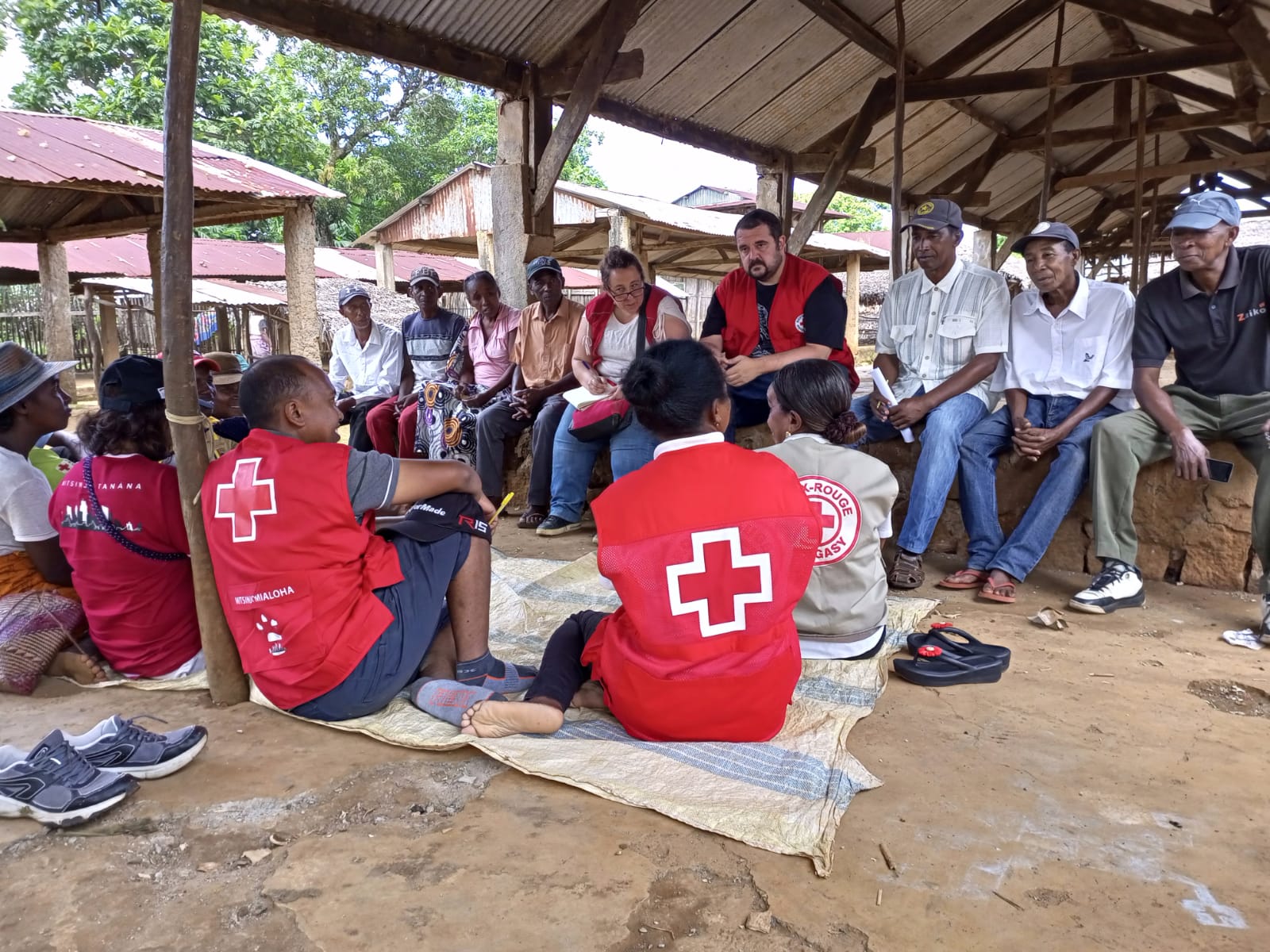
The work connects institutional design with the conditions in which teams, authorities and communities actually have to make decisions and deliver.
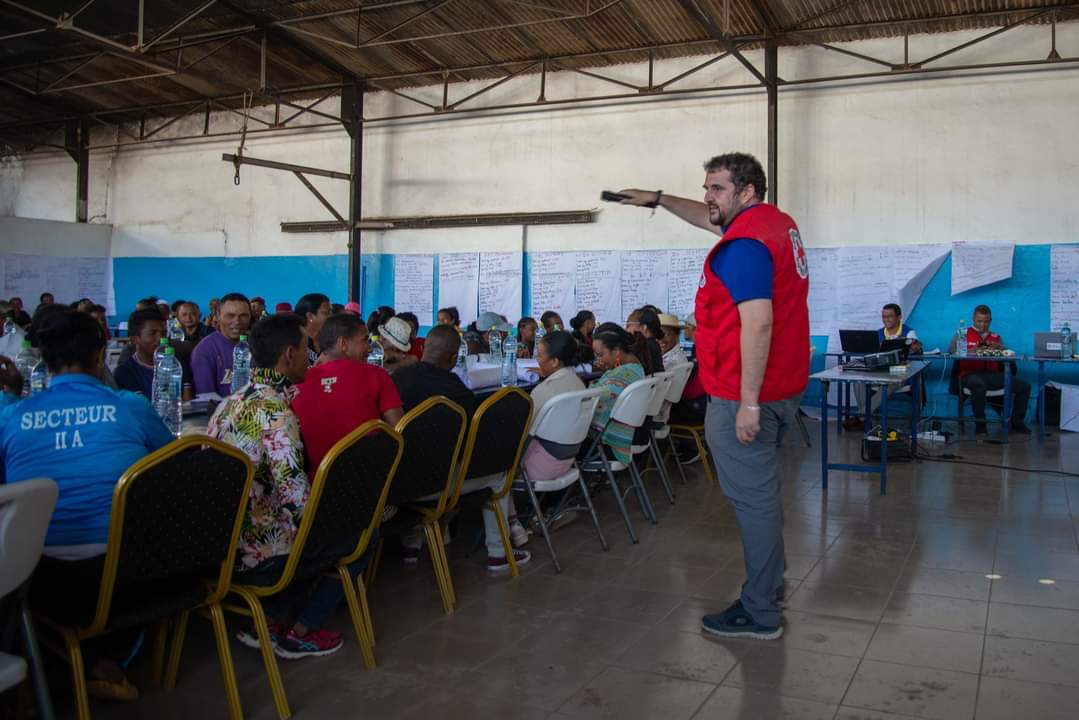
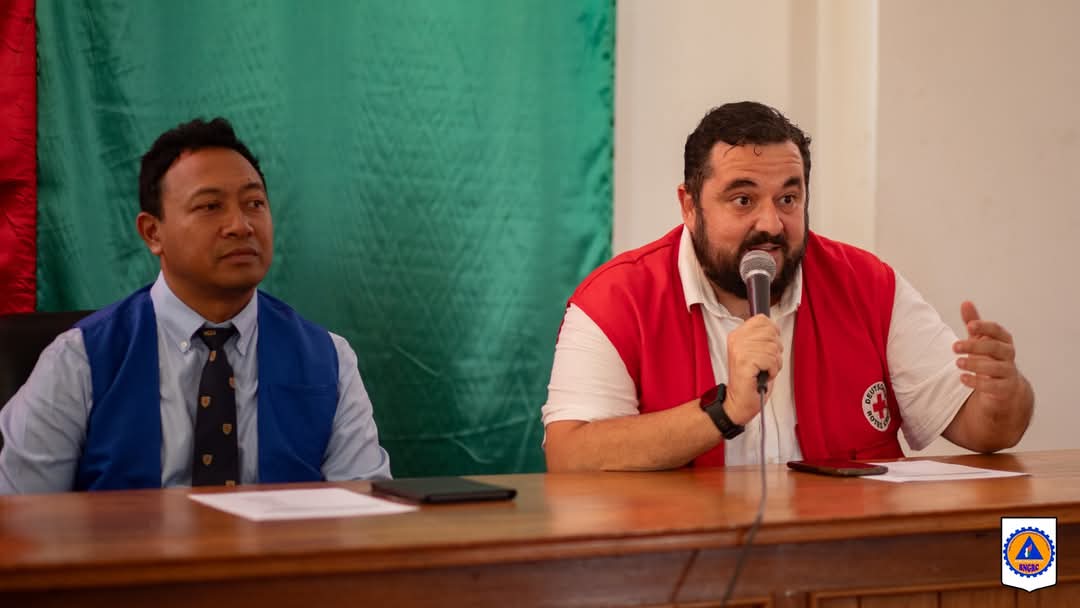
Working with decision-makers and technical teams to make preparedness, early action and resilience systems usable in practice.
Community engagement and operational reality remain part of the design process—not an afterthought.
05 / INSIGHTS
A practical toolkit for humanitarian professionals to assess opportunities, redesign workflows and integrate AI responsibly into operational decision-making.
View the toolkit on Gumroad ↗Forecasts and mathematical triggers can inform action, but they cannot substitute for the financing, logistics, staffing, coordination and decision-making that make response possible.
Read on LinkedIn ↗An organisation can pass a readiness assessment and still be unable to act. Readiness diagnostics reveal the specific bottleneck that a single preparedness score can conceal.
Read on LinkedIn ↗Readiness is not enough if a system cannot convert it into timely action. Activation capacity is demonstrated when decisions, financing, logistics, staffing and coordination can actually move within the available lead time.
Read on LinkedIn ↗06 / WORKING TOGETHER
Complex humanitarian programmes often have enough analysis. The harder question is what is preventing a team or institution from acting on it.
I provide senior technical support to diagnose that gap, structure the decisions that follow and help translate them into workable systems, programmes or operating arrangements.
ANALYSIS IS NOT THE END PRODUCT.
START WITH THE PROBLEM
Start with a focused 30-minute scoping call. We’ll clarify what is not working, what decision is needed and what kind of support—if any—would be useful. No preparation required.